
How Often Does an Alfa Romeo Need Maintenance? Service Schedule, Oil Change Intervals & Repair Warning Signs
On an early weekday morning drive, a performance vehicle begins its journey as usual smooth ignition, responsive throttle, and confident acceleration. But somewhere along the commute, something subtle changes. The engine feels slightly less responsive, gear shifts are not as crisp, and a faint warning light briefly flashes before disappearing. The driver assumes it’s nothing serious and continues driving.
This scenario is far more common than most owners realize. With precision-engineered vehicles like Alfa Romeo, even small performance changes can signal early-stage mechanical stress. For owners seeking Alfa Romeo maintenance in Arlington, recognizing these early warning signs is the difference between routine preventive service and expensive engine repairs.
Most major breakdowns do not happen suddenly; they develop silently due to missed maintenance intervals.
Understanding Alfa Romeo Maintenance in Arlington (Why It Matters)
Alfa Romeo vehicles are built with European performance engineering, meaning every system from turbochargers to transmission calibration is designed for precision and responsiveness. However, that performance depends heavily on disciplined servicing. Daily driving conditions, including stop-and-go traffic, seasonal temperature changes, and highway commuting, place additional stress on critical engine and drivetrain components.
This makes structured maintenance essential for preserving long-term reliability, performance, and safety. For owners seeking Alfa Romeo maintenance, the goal is simple: maintain factory-level performance while preventing premature wear, unexpected repairs, and costly mechanical failures.
Factory-Recommended Alfa Romeo Service Schedule
Following a structured maintenance schedule is the most effective way to protect engine health and avoid costly Alfa Romeo repair situations. Regular servicing helps maintain optimal engine performance, prevents oil degradation, and ensures smooth turbo and transmission operation. It also allows early detection of leaks, sensor issues, and wear, reducing the risk of major breakdowns and improving long-term reliability.
1. Every 5,000–7,500 Miles (Core Protection Service)
This is the most critical interval for maintaining performance stability.
- Full synthetic Alfa Romeo Oil change
- Oil filter replacement
- Brake fluid level check
- Tire pressure optimization and tread inspection
- Engine diagnostics scan (basic)
This interval ensures turbo lubrication stability and prevents engine sludge formation.
2. Every 15,000 Miles (Preventive System Inspection)
At this stage, wear begins to show in key components.
- Brake pad and rotor evaluation
- Cabin and engine air filter replacement
- Battery performance load test
- Suspension joint and bushing inspection
- Cooling system fluid check
Prevents early degradation of braking and airflow systems.
3. Every 30,000 Miles (Performance Stability Service)
This interval focuses on maintaining drivetrain efficiency.
- Transmission fluid condition analysis
- Spark plug inspection or replacement
- Fuel injector cleaning
- Steering alignment and calibration check
- ECU performance scan
Essential for avoiding rough shifting and acceleration hesitation.
4. Every 60,000+ Miles (Deep Diagnostic Service)
This is a full-system health evaluation.
- Timing system inspection
- Turbocharger efficiency check
- Full drivetrain evaluation
- Advanced ECU and sensor diagnostics
- Cooling system pressure testing
Prevents major mechanical failures and expensive rebuilds.
Why Routine Maintenance Protects Alfa Romeo Performance
Skipping scheduled servicing directly affects performance because Alfa Romeo engines rely on precision-balanced systems. Even minor delays in maintenance can disrupt engine lubrication, reduce turbo efficiency, and impact transmission smoothness. Over time, this leads to reduced fuel economy, rough acceleration, and increased wear on critical components, ultimately shortening engine life and increasing the risk of expensive repairs.
Key Benefits of Regular Maintenance:
- Maintains turbocharger efficiency
- Ensures smooth gear shifting response
- Prevents engine overheating
- Improves fuel economy in city traffic
- Extends overall vehicle lifespan
In mixed driving conditions, including short trips, highway acceleration, and frequent braking, consistent servicing becomes even more critical to maintain performance and reliability.
Early Warning Signs That Require Immediate Alfa Romeo Repair
Performance degradation usually starts subtly before becoming serious. Early signs may include slight loss of acceleration, uneven engine response, reduced fuel efficiency, or minor vibrations during driving. In many cases, dashboard warning lights may appear briefly before becoming persistent. Identifying these changes early and scheduling prompt service helps prevent major mechanical issues, ensures safety, and maintains consistent Alfa Romeo performance.
Critical Warning Indicators:
- Persistent check engine light
- Delayed or rough acceleration response
- Transmission hesitation or jerking
- Brake vibration or squealing noises
- Reduced fuel efficiency
- Burning oil smell or visible leaks
- Engine misfire during idle
Ignoring these symptoms often leads to severe engine or transmission damage. Immediate Alfa Romeo repair helps prevent escalation.
Importance of Alfa Romeo Oil Change
Engine oil is the most critical factor in protecting Alfa Romeo performance systems.
Recommended Oil Change Intervals:
- Every 5,000–7,500 miles (normal driving)
- Every 4,000–5,000 miles (heavy traffic or aggressive driving)
Why It Matters:
- Reduces internal engine friction
- Maintains turbocharger cooling efficiency
- Prevents sludge buildup in oil passages
- Improves throttle response
- Protects high-compression engine components
Delaying an Alfa Romeo Oil change is one of the fastest ways to reduce engine lifespan and increase repair costs.
Preventing Major Engine Failure Through Timely Service
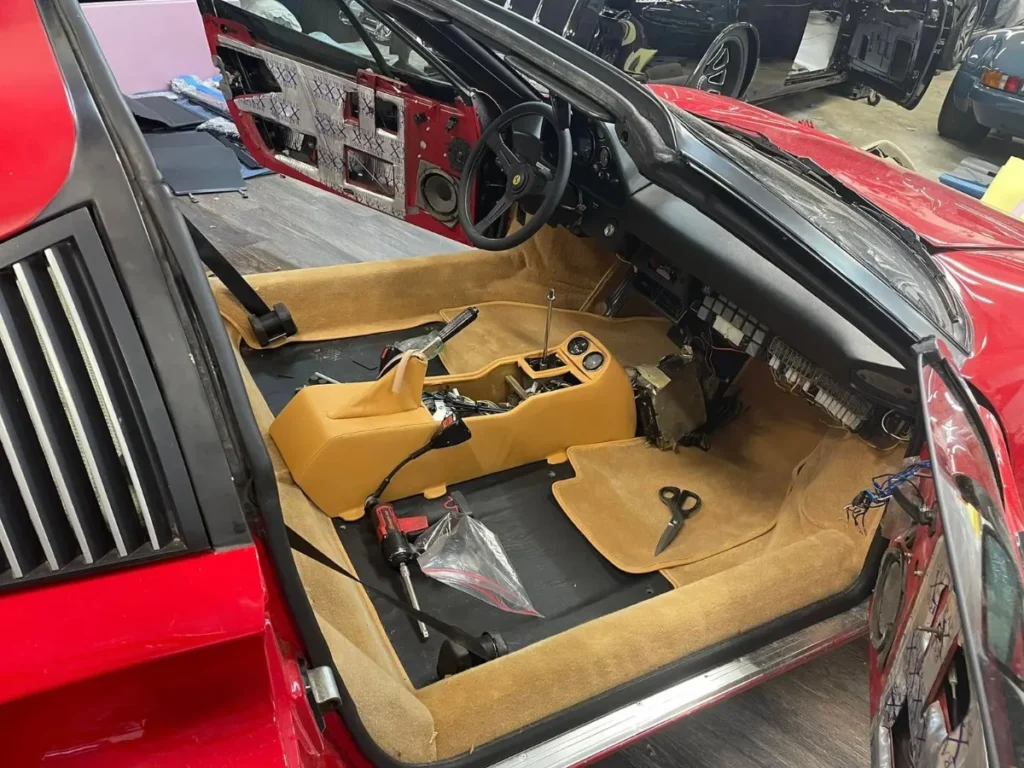
A performance vehicle arrived at a specialist workshop after the driver noticed inconsistent acceleration and slight vibration during highway driving. These symptoms often indicate early-stage issues within the engine or drivetrain system, such as ignition imbalance, fuel delivery irregularities, or mounting wear. If left unaddressed, these conditions can progress into more severe performance loss and component strain, affecting both safety and efficiency. Prompt diagnostic evaluation ensures the root cause is identified accurately, allowing technicians to restore smooth power delivery, stability, and overall driving performance before major damage develops.
Initial Findings:
- Degraded engine oil with reduced lubrication efficiency
- Restricted airflow in intake system
- Early ignition misfire detected in diagnostic scan
Service Actions Performed:
- Complete synthetic oil replacement
- Air intake cleaning and recalibration
- Spark plug replacement
- ECU reset and adaptive relearning
- Full road performance validation
Final Outcome:
The vehicle regained smooth throttle response, stable acceleration, and improved fuel efficiency. What could have escalated into a major engine rebuild was resolved through timely preventive servicing.
This demonstrates how early Alfa Romeo maintenance in Arlington directly prevents costly Alfa Romeo repair situations.
Local Driving Conditions and Their Impact
Driving conditions such as frequent stop-and-go traffic, seasonal temperature changes, and highway commuting place added strain on the engine, transmission, and braking systems. Over time, these conditions accelerate component wear, making routine maintenance essential for preserving performance, improving reliability, and reducing the risk of costly repairs.
Contributing Factors:
- Frequent stop-and-go traffic cycles
- Cold-start engine stress during seasonal shifts
- Highway acceleration bursts
- Moisture exposure in cooler months
- Uneven short-distance driving patterns
These conditions increase demand on oil quality, braking systems, and transmission calibration making routine maintenance essential for long-term reliability.
What Causes Most Alfa Romeo Repair Issues?
Most Alfa Romeo repair cases are not random failures they are preventable outcomes caused by delayed maintenance, ignored warning lights, worn fluids, or missed inspections. Addressing small issues early helps protect performance, reduce repair costs, and extend the life of critical engine and transmission components.
Primary Causes:
- Delayed oil changes
- Ignored dashboard warning lights
- Low-quality or incorrect fluids
- Missed inspection intervals
- Aggressive driving without servicing
Preventing these issues significantly reduces long-term ownership costs and improves reliability.
Why Choose Professional Alfa Romeo Service Experts
Modern Alfa Romeo vehicles require specialized diagnostic tools and trained technicians familiar with European engineering systems.
A trusted service provider like 7 Lakes Motorsports ensures:
- Advanced diagnostic scanning systems
- OEM-standard service procedures
- Performance-focused maintenance approach
- Transparent repair recommendations
- Expertise in European vehicle systems
Whether it is routine servicing or complex Alfa Romeo repair, professional expertise ensures accuracy and reliability.
Frequently Asked Questions (FAQs)
1. How often does an Alfa Romeo need maintenance?
Alfa Romeo vehicles should be serviced every 5,000–7,500 miles depending on driving conditions and usage patterns.
2. What is included in Alfa Romeo repair services?
It includes engine diagnostics, transmission repair, brake servicing, suspension work, and ECU system calibration.
3. Why is Alfa Romeo Oil change so important?
It maintains engine lubrication, prevents overheating, and protects turbocharged components from premature wear.
4. What are early signs my Alfa Romeo needs service?
Warning lights, engine hesitation, rough shifting, reduced fuel efficiency, and unusual engine noises.
5. Where can I get trusted Alfa Romeo maintenance in Arlington?
7 Lakes Motorsports provides expert Alfa Romeo maintenance in Arlington with full diagnostic and repair support.
Conclusion
Alfa Romeo vehicles are engineered for precision, but that precision depends entirely on consistent maintenance and timely servicing. Ignoring early warning signs or delaying scheduled care can quickly turn minor issues into major repair costs.
Whether it’s routine servicing, diagnostics, or a critical Alfa Romeo Oil change, proactive maintenance always costs less than reactive repair.
If your vehicle is showing early warning signs or approaching its service interval, now is the time to act.
Contact 7 Lakes Motorsports today at +13602025220 for expert Alfa Romeo maintenance in Arlington and professional Alfa Romeo repair services designed to protect your vehicle’s performance, safety, and long-term value.