
The “Garage Queen” Trap: Why Low-Mileage Used Ferraris in Snohomish County Need Deeper Inspections
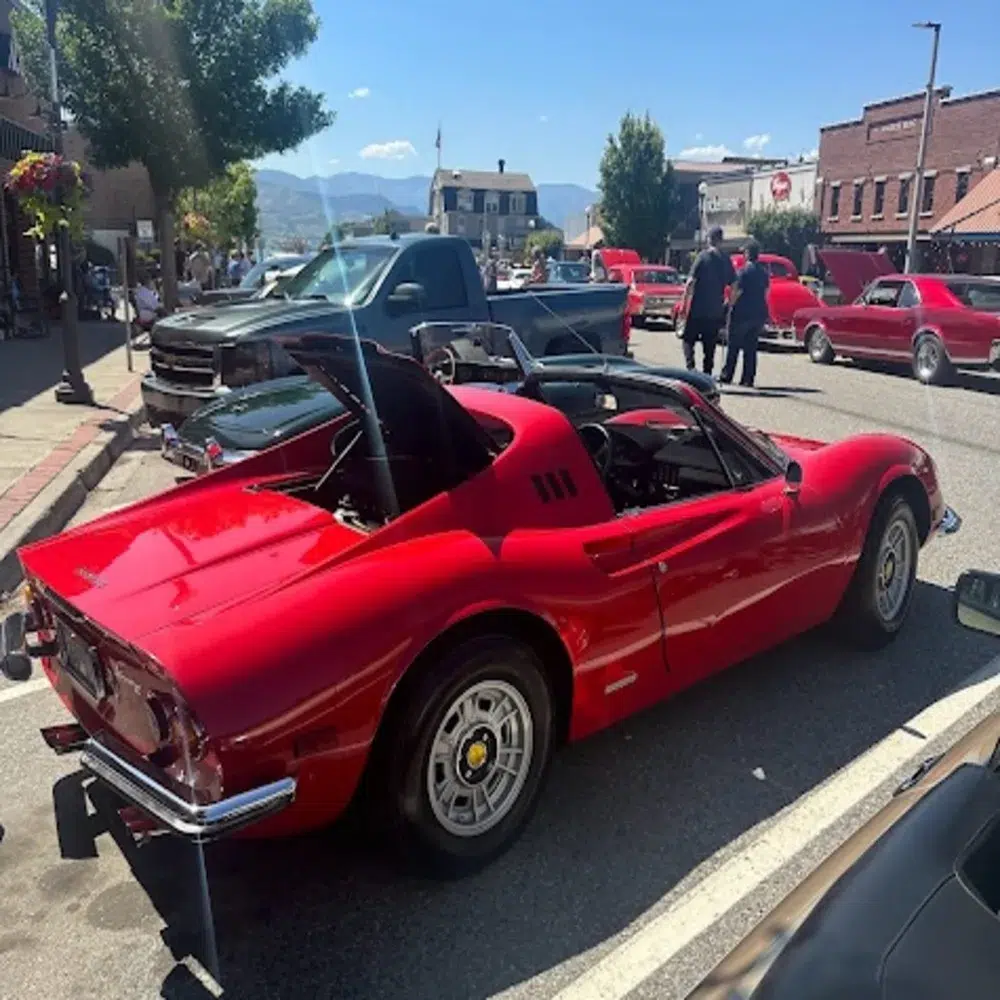
A low-mileage Ferrari can be hard to resist.
The paint looks exceptional. The interior shows little wear. The odometer suggests the car has lived an easy life. For a buyer looking at a used Ferrari in Arlington or elsewhere in Snohomish County, those details can make the car feel like the safer choice.
But mileage only tells you how far the Ferrari traveled. It does not tell you how well someone maintained it while it sat.
A Ferrari that spent much of its life parked may have received meticulous care. Another may have gone years with minimal use and inconsistent servicing. Storage conditions, maintenance dates, battery care, tire age, fluid history, and model-specific issues can all tell you more about the car than the odometer alone.
That is why Ferrari maintenance in Arlington becomes an important part of the conversation before you buy, not just after you bring the car home.
Before paying a premium for exceptionally low mileage, find out what happened during all those years when the car was barely moving.
A Beautiful Garage-Kept Ferrari Can Still Leave Questions
“Garage queen” gets thrown around often in the exotic-car world. Usually, it describes a car that has spent more time parked than driven.
That description is not automatically good or bad.
Some owners store their Ferraris carefully, keep up with scheduled service, use appropriate battery maintainers, and address age-related needs even when the car accumulates very few miles. Those cars may present extremely well years later.
Others see low use as a reason to postpone maintenance.
That difference matters.
In the Arlington area, storage conditions deserve particular attention. A Ferrari kept in a dry, controlled indoor space has experienced a different environment from one stored for several wet seasons in an unheated garage or outbuilding. When evaluating Ferrari maintenance in Arlington, it is worth considering how those storage conditions may relate to the car’s service history and current condition.
So when a seller says, “It has always been garaged,” that should start the conversation rather than end it.
How was it stored? How often was it actually driven? Was the battery maintained? Did scheduled services continue during low-mileage years?
The answers and the records behind them matter more than the garage door itself.
Ferrari Maintenance in Arlington Is About Time as Well as Mileage
One of the easiest mistakes when evaluating a low-mileage exotic is treating the odometer as the maintenance schedule.
Ferrari maintenance does not work that way.
Ferrari’s Genuine Maintenance information includes scheduled servicing based on time and mileage. The exact requirements depend on the vehicle, so the handbook and applicable service schedule should guide the assessment.
This is where the paperwork starts telling a story.
Compare invoice dates with the mileage recorded at each visit. If a Ferrari traveled only a few hundred miles over several years, the low mileage itself is not necessarily concerning. What matters is what happened during those years.
Was scheduled care still performed?
Do the invoices show more than occasional oil changes?
Are there unexplained gaps?
“Fully serviced” sounds reassuring in an advertisement. Itemized records tell you what that phrase actually means.
A recent service stamp can show that somebody worked on the car recently. A consistent history can show how the car was cared for over time.
What Should You Look At Before Buying a Low-Mileage Ferrari?
A useful inspection should answer questions about the specific car in front of you. It should not simply run through the same generic checklist used for every vehicle.
Here are several areas that deserve attention.
1. Start With the Paper Trail
Service records can reveal patterns that the exterior never will.
Compare VIN information, service dates, mileage entries, repair descriptions, and previous recommendations. If an invoice recommends additional work but later records never mention it again, find out what happened.
Vehicle-history reports add useful background, but they cannot tell you everything about mechanical condition or maintenance quality.
And do not stop at the car’s current location.
A Ferrari sitting in Arlington today may have spent most of its life somewhere else. Records from previous owners can help explain how the vehicle was used, stored, and maintained before it arrived in Snohomish County.
2. Deep Tire Tread Does Not Mean Young Tires
Low-mileage cars can have tires that look surprisingly good at first glance.
Plenty of tread remains. The car has barely been driven. Why worry?
Age is the missing part of that equation.
The four-digit tire date code identifies the week and year of manufacture. Check the date codes along with tire specifications, sidewall condition, tread surfaces, cracking, and deformation.
Extended parking can also contribute to temporary flat spotting. If a road test reveals persistent vibration, it deserves proper diagnosis rather than an assumption that the car simply needs to “stretch its legs.”
With a performance car, tire condition deserves more attention than a quick tread-depth check.
3. Let the Car Tell You What Its Fluids, Hoses, and Seals Need
A parked Ferrari should not lead to automatic conclusions.
Low use does not mean every seal has failed. It also does not mean fluids and rubber components deserve no attention.
Look for evidence.
An underbody inspection can reveal leaks, residue, deteriorated hoses, previous repairs, or areas that warrant a closer look. Because Ferrari undertrays may limit access to certain components, inspection scope and any additional labor should be clear beforehand.
Service dates matter here as well.
The appearance of a fluid cannot reliably tell you when someone last serviced it. Compare the records with the requirements for that particular Ferrari.
The goal is not to manufacture a repair list because the car sat.
The goal is to understand its actual condition.
4. The Battery Can Reveal Part of the Storage Story
Modern Ferraris depend heavily on healthy electrical systems.
If the car spent long periods parked, find out how the owner managed the battery. Was a compatible maintainer used? How old is the battery? Has the car required repeated jump-starts? Have warning messages appeared?
Battery and charging-system testing can provide useful information, and an appropriate diagnostic scan can add another layer to the inspection.
The results still need interpretation.
A dashboard without warning lights does not prove that every system is healthy. On the other hand, a historical fault stored in the system does not automatically mean the car currently has an expensive failure.
Context matters.
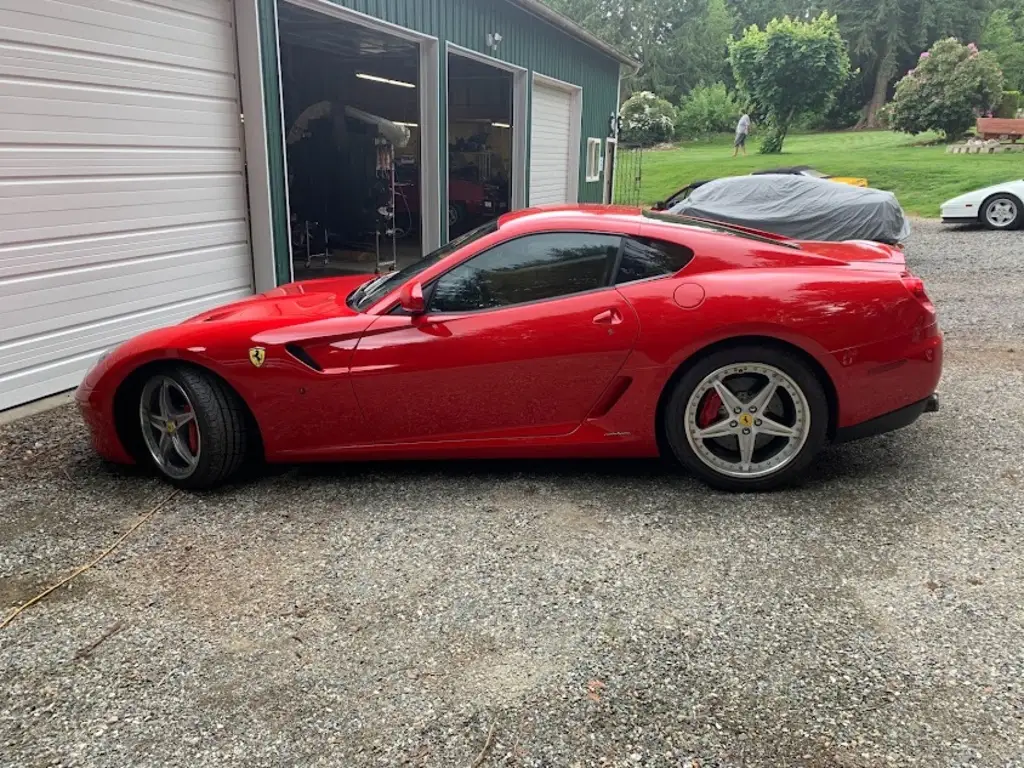
5. An F430, 458 Italia, and California Are Not the Same Inspection
This is where Ferrari-specific experience becomes especially valuable.
An F430, 458 Italia, and California come with different configurations, components, transmissions, braking equipment, and service considerations. Treating them as though they need an identical inspection can miss the very details that matter most.
The inspection should account for the actual model and equipment.
Depending on the Ferrari, that may include closer evaluation of braking performance, suspension, transmission operation, cooling performance, electrical systems, or applicable roof mechanisms.
Additional testing should have a reason behind it too.
Compression or leak-down testing, for example, can be useful when symptoms, history, or other findings justify it. It does not need to become an automatic requirement simply because the odometer shows unusually low mileage.
That same model-specific approach matters when planning Ferrari maintenance. What deserves attention on one Ferrari may not carry the same priority on another, especially when age, mileage, service history, and previous use differ.
At 7 Lakes Motorsports, Ferrari service is not treated like ordinary general automotive work.
Our Ferrari service capabilities include model-specific diagnostics, maintenance, repair, transmission work, electrical diagnosis, braking and suspension service, and more. That experience matters when a buyer needs to separate an unusual characteristic from an actual warning sign.
The Cold Start May Tell You More Than the Seller’s Description
When practical and when the car’s condition allows it, seeing a Ferrari genuinely cold can provide useful information.
That means the seller has not started or warmed the car before the inspection.
A safe road test can add another layer, followed by a post-drive check. Of course, the technician should first determine whether the vehicle is suitable to drive. Questionable tires, significant leaks, braking concerns, or other conditions may change that plan.
If you are traveling from Everett, Monroe, or elsewhere in Snohomish County to see a Ferrari, confirm the inspection arrangements before making the trip.
Will the seller allow an independent inspection?
Can the shop access the areas that need evaluation?
Will a road test be permitted if the car is considered safe?
Sorting out those details beforehand can prevent a frustrating trip and, more importantly, help you get meaningful information before making a purchase decision.
Turn the Inspection Into an Ownership Plan
A long list of findings can feel intimidating, especially when you are standing one decision away from owning a Ferrari.
Organizing those findings makes the report far more useful. If important questions remain about the car’s condition or service history, schedule Ferrari inspection services before making the purchase rather than relying on assumptions.
Think about the findings in three groups:
Immediate concerns: Safety-related problems or faults that should be addressed before normal driving.
Maintenance catch-up: Overdue services or items where the history remains uncertain.
Future planning: Wear items and nonurgent recommendations that may affect your ownership costs later.
This distinction matters because not every finding carries the same urgency.
A documented maintenance item due in the future is different from an active braking problem. An uncertain service history is different from a confirmed mechanical failure.
Ask for estimates with the assumptions clearly explained. Then use the information to decide whether you should negotiate, adjust your ownership budget, request additional testing, or walk away.
And pay attention to seller cooperation.
If a seller refuses reasonable inspection access on a Ferrari carrying a significant purchase price, you have to decide whether you are comfortable buying the uncertainty along with the car.
Frequently Asked Questions
Does occasionally starting a stored Ferrari mean it was properly maintained?
No. Starting the engine does not establish that scheduled maintenance was completed. Service records, storage history, actual use, and inspection findings provide a much clearer picture.
Should I trust a recent inspection supplied by the seller?
Review who performed it, when it occurred, what the inspection covered, and what documentation supports the findings. An independent inspection may still make sense when important questions remain.
Can a pre-purchase inspection guarantee that my Ferrari will have no problems?
No. An inspection evaluates the vehicle’s accessible components and observable condition at that time. A useful report should also identify limitations and areas that may require further investigation.
How do I know whether a long-stored Ferrari should be driven or transported?
Let the inspecting shop evaluate its condition first. Tire concerns, leaks, braking problems, or prolonged inactivity may make appropriate vehicle transport the better option.
Should I automatically reject a low-mileage Ferrari with incomplete records?
Not necessarily. Missing records increase uncertainty rather than automatically proving that the car is bad. Gather the documentation that is available, arrange a thorough assessment, and consider likely catch-up costs before deciding.
Before You Pay a Low-Mileage Premium, Find Out What Those Miles Leave Unsaid
Low mileage can make a used Ferrari more appealing. It should not end your due diligence.
The better question is not simply, “How many miles does it have?”
It is, “What happened to this Ferrari during all the years represented by those miles?”
Age, model, configuration, maintenance records, storage conditions, diagnostics, and current mechanical condition all help answer that question. Good records can reinforce confidence in an exceptional car. An inspection can also uncover uncertainties that deserve attention before they become your responsibility.
If you are considering a used Ferrari and need help understanding its condition, Ferrari maintenance in Arlington starts with knowing what the car’s service history and current condition actually reveal. Call 7 Lakes Motorsports at (360) 202-5220. Tell us which Ferrari you are considering, what you know about its history, and when you plan to make your buying decision. We can discuss available diagnostic services and the appropriate inspection scope before you commit.